The Science of Growing
Maximize your landscape with the ideal regional species
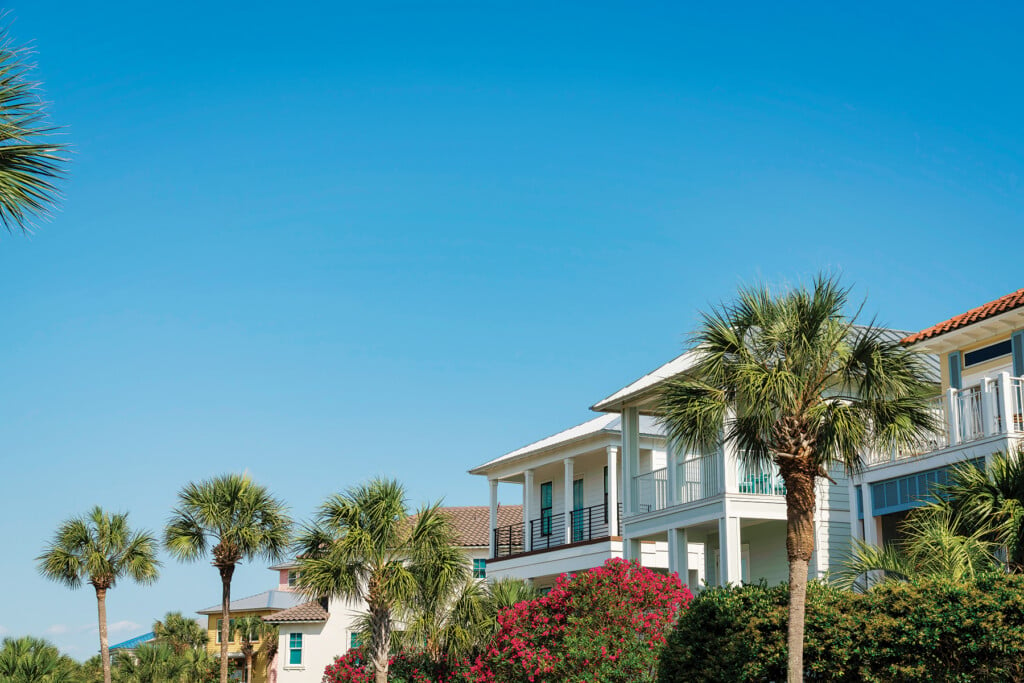
When replacing ornamental plants and trees on the Emerald Coast, recognizing and adapting to two factors will improve the chances for successful establishment: The soil pH must be amenable to the plants’ needs, and they should have some salt tolerance given the proximity of coastal waters.
Soil pH is a measure of the acidity or alkalinity. One of the basic needs of a plant species is to be situated in soil with the correct pH range. The soil pH effects a plant’s ability to absorb nutrients, either naturally occurring or applied. If the pH is wrong, the plant will be unable to utilize these nutrients—and some levels can be toxic.
A pH number of 7 indicates neutral soil, with below 7 being acidic and above 7 alkaline. Coastal soils (or sand) tend to be alkaline, but many of the popular shrubs need soil in the acidic range. Soil pH can be accurately determined through a soil test. These tests are inexpensive and may save you some resources given the time and expenses incurred when replacing plants or trees.

Photo by HappyNat via iStock
Soils can be amended to adjust the pH, but the process can take time and is a continuing cost. It is far simpler to use plants—usually native plants—that flourish in the existing pH range.
A plant or tree’s salt tolerance is another important consideration. Landscapes less than a quarter mile from the coast should expect regular exposure to salt spray. Catastrophic events, such as tropical storms and hurricanes, will introduce plants and trees further inland to greater salinity. This sporadic exposure may be enough to damage the plants for an extended period.
The only practical way to counter the effects of salt exposure is to utilize salt-tolerant species in the landscape. Fortunately, there are many attractive plants and trees that flourish in the local ecosystem.

Photo by dlewis33 via iStock
Live oaks and southern red cedar both can handle coastal conditions. All palms are salt-tolerant to some degree, with native cabbage palms and palmettos being highly tolerant. Sea oats, muhly grass, and Fakahatchee grass are among the ornamental grasses that will grow in coastal regions. Even common petunia varieties can tolerate the Emerald Coast environment.
Local nurseries and landscape companies can advise homeowners on ideal selections. For more information, check out the University of Florida Institute of Food and Agricultural Sciences (UF/IFAS) Extension’s Coastal Landscapes publication.